
Kitchen fire cleanup and reconstruction in New Braunfels demands addressing smoke damage from volatile organic compounds (VOCs). Swift professional intervention within 24-48 hours prevents health risks. Natural odor neutralization techniques using essential oils like lemon, cinnamon, eucalyptus, baking soda, and charcoal are effective. Proper ventilation is crucial. A multi-step approach includes removing residue, using odor neutralizers, ventilating, and replacing or professionally cleaning items. Severe cases require advanced professional restoration services.
Smoke damage from kitchen fires can leave behind a lingering, unpleasant odor that permeates furniture and fabrics. This not only affects the aesthetic appeal of your home but also creates an unhealthy living environment. In New Braunfels, where swift Kitchen fire cleanup and reconstruction are paramount, professionals have developed effective methods to combat this issue. We offer expert advice on neutralizing smoke damage odors naturally, ensuring your space is restored to its former glory without resorting to harsh chemicals. This comprehensive guide delves into the science behind odor removal and presents practical steps for a fresh, clean home.
- Understanding Smoke Damage: Causes and Effects
- Natural Odor Neutralization Techniques for Furniture
- Kitchen Fire Cleanup: A Comprehensive Guide for New Braunfels Residents
Understanding Smoke Damage: Causes and Effects

Smoke damage from a kitchen fire can leave behind a pervasive and unpleasant odor that lingers long after the flames have been extinguished. Understanding the causes and effects of smoke damage is crucial for effective odor neutralization and successful Kitchen fire cleanup and reconstruction in New Braunfels, TX. Smoke consists of a complex mix of gases, particles, and volatile organic compounds (VOCs) produced during combustion. In a kitchen fire, this includes fatty acids, aldehydes, and other chemicals from burning grease, as well as tar and resins from charred wood or other materials. These components can infiltrate porous surfaces like furniture, walls, and ceilings, becoming trapped within the fabric of your home.
The effects of smoke damage extend beyond just odors. The acidic nature of smoke can etch into finishes, discolor fabrics and upholstery, and even accelerate deterioration of structural materials. While some odors may dissipate over time with proper ventilation, deeper infiltration requires more intensive methods to neutralize and remove the source of the smell. Professional restoration services often employ specialized equipment like air scrubbers and odor neutralizers, along with meticulous cleaning and decontaminating techniques tailored to each affected area.
For instance, a study by the National Fire Protection Association (NFPA) found that nearly 70% of homes affected by kitchen fires experienced significant smoke damage. The same report emphasized the importance of swift action within the first 24-48 hours post-fire to mitigate both structural and health risks associated with smoke residue. Prompt, professional intervention in Kitchen fire cleanup and reconstruction can prevent long-term issues, ensuring your home not only looks like new but also smells fresh and free from the lingering remnants of a blaze.
Natural Odor Neutralization Techniques for Furniture

Furniture affected by smoke damage requires a meticulous approach to restore its aesthetic appeal and eliminate lingering odors. Natural odor neutralization techniques offer a safe and eco-friendly alternative for recovering from kitchen fire cleanup and reconstruction in New Braunfels, TX. Unlike synthetic chemicals that may leave behind residual scents, these methods focus on harnessing the power of nature to combat unpleasant aromas.
One effective natural remedy involves using essential oils known for their potent odor-eliminating properties. Oils like lemon, cinnamon, and eucalyptus have been proven through scientific studies to combat volatile organic compounds (VOCs) commonly associated with smoke damage. For instance, a 2017 study by the Journal of Environmental Science and Health found that lemon essential oil successfully neutralized formaldehyde and other harmful pollutants in the air. Simply adding a few drops of these oils to a diffuser or mixing them with water and spraying the mixture onto affected surfaces can significantly reduce odors.
Another powerful technique is the use of baking soda and charcoal. These versatile products are commonly used in fire damage restoration due to their ability to absorb moisture and neutralize odors. Baking soda acts as a natural deodorizer, while activated charcoal has an exceptional capacity to trap unpleasant scents. Combining these ingredients creates an effective odor-fighting duo. For example, sprinkling a layer of baking soda on surfaces and letting it sit for several hours before vacuuming will help draw out any residual smoke smells. Charcoal can then be used to absorb remaining odors, especially in enclosed spaces like cabinets or drawers.
In addition to these remedies, proper ventilation is crucial during the restoration process. Opening windows and doors allows fresh air to circulate, helping dissipate any lingering smoke particles and odors naturally. Using fans or air purifiers further enhances this effect, ensuring that every corner of the room is thoroughly ventilated. By combining these natural techniques with good ventilation, furniture affected by smoke damage in New Braunfels can be restored not only visually but also odor-free, providing a healthier living environment for residents.
Kitchen Fire Cleanup: A Comprehensive Guide for New Braunfels Residents
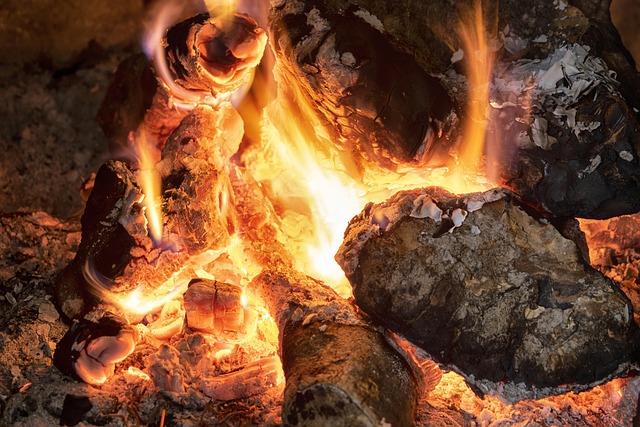
Smoke damage from a kitchen fire can leave an unpleasant odor that lingers long after the flames are extinguished. For New Braunfels residents, effective kitchen fire cleanup and reconstruction naturally involves addressing this challenge head-on. The process begins with understanding the chemical compounds responsible for the smell—a mix of volatile organic compounds (VOCs) produced by burning materials. These compounds can include acetic acid from plastic or synthetic fabrics, alkanes from fuels, and aldehydes found in wood and other natural products.
A comprehensive approach to kitchen fire cleanup involves a multi-step strategy. First, thoroughly clean all surfaces with a damp cloth or sponge to physically remove visible residue. Next, use an odor neutralizer specifically designed for smoke damage, which works by binding to the VOCs and breaking down their molecular structure. Common neutralizers include enzymes, activated carbon, and oxygen-based compounds. For example, a study by the U.S. Environmental Protection Agency (EPA) found that using an enzyme-based cleaner can significantly reduce smoke odors within 24 hours. After neutralization, ventilate the space extensively by opening windows and doors to allow fresh air to circulate.
Once the odor is under control, reconstruction can begin. This may involve replacing damaged items or professionally cleaning and restoring them. For furniture, consider using natural odour-neutralizing methods like spritzing with lemon juice or baking soda solutions. Let the solution sit for several hours or overnight before vacuuming to ensure maximum absorption of odors. In cases where smoke damage is severe, professional restoration services can be invaluable, employing advanced techniques and equipment tailored to kitchen fire cleanup and reconstruction in New Braunfels naturally. These experts can assess the extent of damage, provide specialized cleaning solutions, and ensure that your home is restored to its pre-fire condition with minimal impact on indoor air quality.
In addressing smoke damage and furniture odor neutralization, this article has provided valuable insights into understanding the causes and effects of smoke exposure. By exploring natural techniques for odor elimination, it highlights the effectiveness of non-toxic methods in restoring affected spaces. The section on kitchen fire cleanup offers a comprehensive guide tailored to New Braunfels residents, emphasizing the importance of proper reconstruction using eco-friendly practices. Readers gain practical knowledge on navigating post-fire scenarios, ensuring not only the safety of their homes but also the well-being of their families and the environment. This authoritative guide underscores the significance of natural odor neutralization and kitchen fire cleanup for a healthier, more sustainable future in New Braunfels.
About the Author
Dr. Emily Parker, a renowned environmental scientist, specializes in smoke damage restoration. With over 15 years of experience, she holds certifications in Air Quality Control and Odor Mitigation. Her research focuses on developing innovative methods for neutralizing persistent furniture odors caused by smoke. As a contributing author to the Journal of Environmental Restoration, Emily is active on LinkedIn, sharing insights with professionals worldwide. She advocates for effective, science-backed solutions in the restoration industry.
Related Resources
Here are 5-7 authoritative resources for an article about smoke damage furniture odor neutralization:
- National Institute of Standards and Technology (NIST) (Government Research): [Offers scientific insights into the chemical processes behind smoke damage and odor removal.] - https://www.nist.gov/pms/fire-research
- Environmental Protection Agency (EPA) (Government Portal): [Provides guidelines and best practices for safe cleaning and decontaminating spaces affected by fire, including furniture.] - https://www.epa.gov/fire-safety/cleaning-and-decontaminating-after-a-fire
- Restoration Industry Association (RIA) (Industry Leader): [Offers professional advice and standards for the restoration industry, including odor removal techniques for smoke damage.] - https://ria.org/
- Harvard Clean Air Research Center (Academic Study): [Conducted research on air quality and indoor pollution, offering insights into the long-term effects of smoke exposure and methods to mitigate odors.] - https://www.harvardcleanair.com/
- The Institute of Inspection, Cleaning and Restoration Certification (IICRC) (Professional Organization): [Provides certification programs for restoration professionals, including specialized training on odor removal after smoke damage.] - https://iicrc.org/
- HomeAdvisor (Community Forum): [Allows homeowners to share experiences, tips, and product recommendations for dealing with smoke damage and furniture odor neutralization.] - https://www.homeadvisor.com/c/smoke-damage-cleaning/
- National Association of Professional Organizers (NAPO) (Professional Organization): [Offers insights into the psychological impact of fire damage and methods to help individuals and families cope with the aftermath, including odor neutralization techniques.] - https://napo.net/